 Reviews


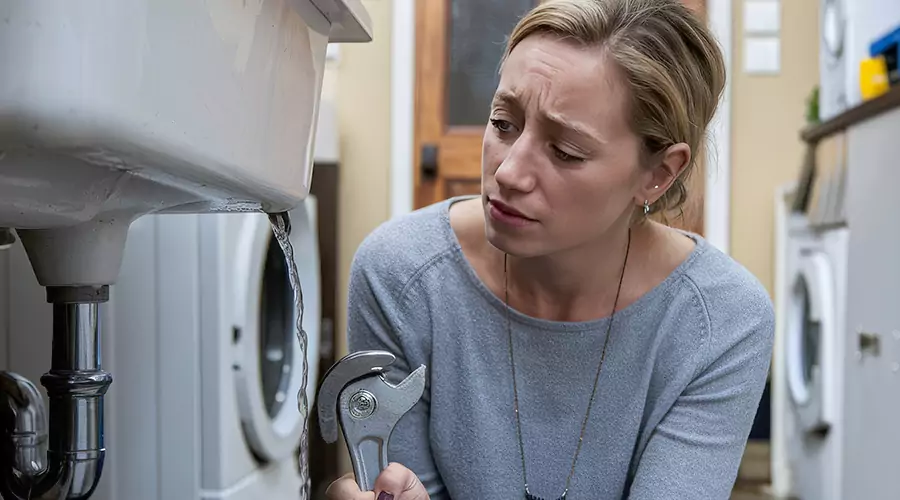
Pipe corrosion is often caused by chemical reactions between metal pipes and water or soil surrounding them. Over time, water pipe corrosion is intensified by factors such as high acidity, oxygen content, or the presence of minerals in water. When corrosion occurs, the pipe's interior surface is gradually eaten away, which leads to thinning of the metal. Water flow is reduced as a result of the narrowing pipe diameter. Corrosion is most commonly observed in older plumbing systems made from iron or steel, where rust formation becomes significant over years of continuous water exposure.
It is important to note that corrosion-resistant pipe materials such as PVC, PEX, or copper are often recommended to prevent such issues. However, even corrosion-resistant pipes may face reduced efficiency when mineral buildup is present, especially in areas with hard water.
How Mineral Buildup Forms?
Mineral buildup is caused by dissolved minerals, primarily calcium and magnesium, which are deposited inside pipes as water flows through them. Over time, these deposits harden, forming a scale that clings to the inner pipe walls. Water flow is reduced because the internal diameter is narrowed, which increases the pressure required to maintain the same flow rate.
- Hard water areas are often prone to more rapid mineral accumulation.
- Water heaters, faucets, and showerheads are commonly affected by mineral buildup.
- The combination of corrosion and mineral deposits accelerates pipe degradation.
Mineral buildup not only reduces water flow but also increases the risk of complete pipe blockage if left untreated. The flow restriction may lead to inconsistent water pressure, slower drainage, and higher energy usage when pumps or heaters are involved.
Signs of Reduced Water Flow
The effects of pipe corrosion and mineral buildup are often noticeable before serious damage occurs. Water pressure is commonly reduced, and irregular flow is experienced in taps and showers. Strange discoloration, such as brown or reddish water, is often observed, which indicates rust or sediment is present. In some cases, unusual noises like rattling or banging are produced as water struggles to move through partially clogged pipes.
- Consistent drops in water pressure can be measured by using a pressure gauge.
- Frequent clogging in appliances like dishwashers or washing machines may indicate mineral deposits.
- Unusual metallic taste or odour in drinking water is another warning sign.
Early detection is critical, as water pipe corrosion and mineral buildup worsen with time, making repairs more expensive and water flow restoration more difficult.
Common Causes of Pipe Corrosion
Several causes are responsible for the onset of pipe corrosion. Water chemistry plays a significant role, particularly the pH level and mineral content of water. Low pH water is more acidic and accelerates corrosion in metal pipes. In addition, oxygen dissolved in water can react with metal surfaces, leading to rust formation. Galvanic corrosion is also observed when two different metals are joined in a plumbing system, producing an electrochemical reaction that corrodes the less resistant metal.
Another contributing factor is soil conditions. Pipes buried in acidic or moisture-rich soils experience corrosion more rapidly. Moreover, temperature fluctuations inside pipes can lead to expansion and contraction, which weakens the pipe material and encourages scaling.
Effects of Corrosion on Water Quality
Water quality is directly affected when pipe corrosion is left unchecked. Metal particles are released into the water, causing contamination and potential health risks. Corroded pipes often carry rust particles that can stain fixtures, clothes, and utensils. In addition, the presence of corrosion can accelerate the growth of bacteria in pipes, particularly in stagnant water systems.
Mineral deposits worsen water quality by adding hardness, which affects soap efficiency and can leave residue on surfaces. Over time, both corrosion and mineral buildup contribute to water flow reduction, increased maintenance costs, and higher energy consumption due to inefficient water heating.
Repair and Prevention Methods
Pipe corrosion repair is often necessary to restore proper water flow and prevent further damage. Common techniques include pipe replacement, internal pipe lining, and chemical treatment to remove rust or scale. PEX Pipe Installation is frequently used to prevent recurrence, offering a durable and corrosion-resistant solution.
- Water softeners can be installed to reduce mineral concentration in hard water.
- Regular maintenance, including pipe inspection and cleaning, is recommended to catch early buildup.
- Protective coatings can be applied to metal pipes to delay corrosion progression.
Pipe replacement is often preferred when extensive corrosion or mineral buildup is detected. Using copper, PEX, or PVC pipes is recommended, as these materials are less susceptible to corrosion and scale accumulation.
The Importance of Professional Maintenance
Professional plumbing services are often recommended for the management of water pipe corrosion and mineral buildup. Pipes are inspected using specialised cameras or diagnostic tools to determine the extent of damage. Pipe corrosion repair is performed efficiently to restore water flow while preventing future problems.
Ignoring the problem can result in complete pipe failure, leading to leaks, water damage, and costly emergency repairs. Therefore, regular monitoring and maintenance are critical to ensure that water flow remains consistent and water quality is preserved.
Long-Term Solutions for Water Flow Issues
To reduce water flow problems caused by corrosion and mineral deposits, proactive solutions are often implemented. Water treatment systems, including water softeners and filters, are installed to manage mineral content. Corrosion-resistant pipe installation is often preferred during renovations or new construction.
Regular flushing of water systems is sometimes performed to remove sediment accumulation, particularly in older homes with metal pipes. It is also recommended that homeowners monitor water pressure and consult plumbing experts when irregularities are noticed.
Through a combination of preventive maintenance, professional repair, and modern materials, the effects of pipe corrosion and mineral buildup can be minimised. Consistent water flow can be restored, and potential water damage or appliance inefficiency can be avoided.
Frequently Asked Questions
Why is my water pressure dropping suddenly?
Pipe corrosion or mineral buildup inside old metal pipes is often causing reduced water flow.
Can hard water damage my plumbing system?
Yes, mineral deposits from hard water can accumulate and restrict pipe diameter over time.
How do I know if my pipes are corroded?
Discolored water, metallic taste, and rust stains in fixtures are common signs of corrosion.
Are some pipes safer against corrosion than others?
Copper, PVC, and PEX pipes are more resistant to rust and mineral scaling compared to steel or iron pipes.
What maintenance can prevent water flow problems?
Regular pipe inspection, water softeners, and flushing can prevent corrosion and scale buildup.